
Woodwind Mouthpieces
-
Educator's Saxophone Section Kits -
Lakshmi Tenor Sax Mouthpiece Theo Wanne -
Brahma Bari Saxophone Mouthpiece -
Durga V Bari Saxophone Mouthpiece -
Theo Wanne DURGA V Tenor Sax Mouthpiece -
Lakshmi Alto Saxophone Mouthpiece -
Durga V Alto Saxophone Mouthpiece -
Brahma Tenor Sax Mouthpiece Theo Wanne -
Gaia 3 HR Alto Sax Mouthpiece Theo Wanne (Used) -
Bari Sax DV HR Mouthpiece Jody Jazz -
DURGA 4 Clarinet Mouthpiece -
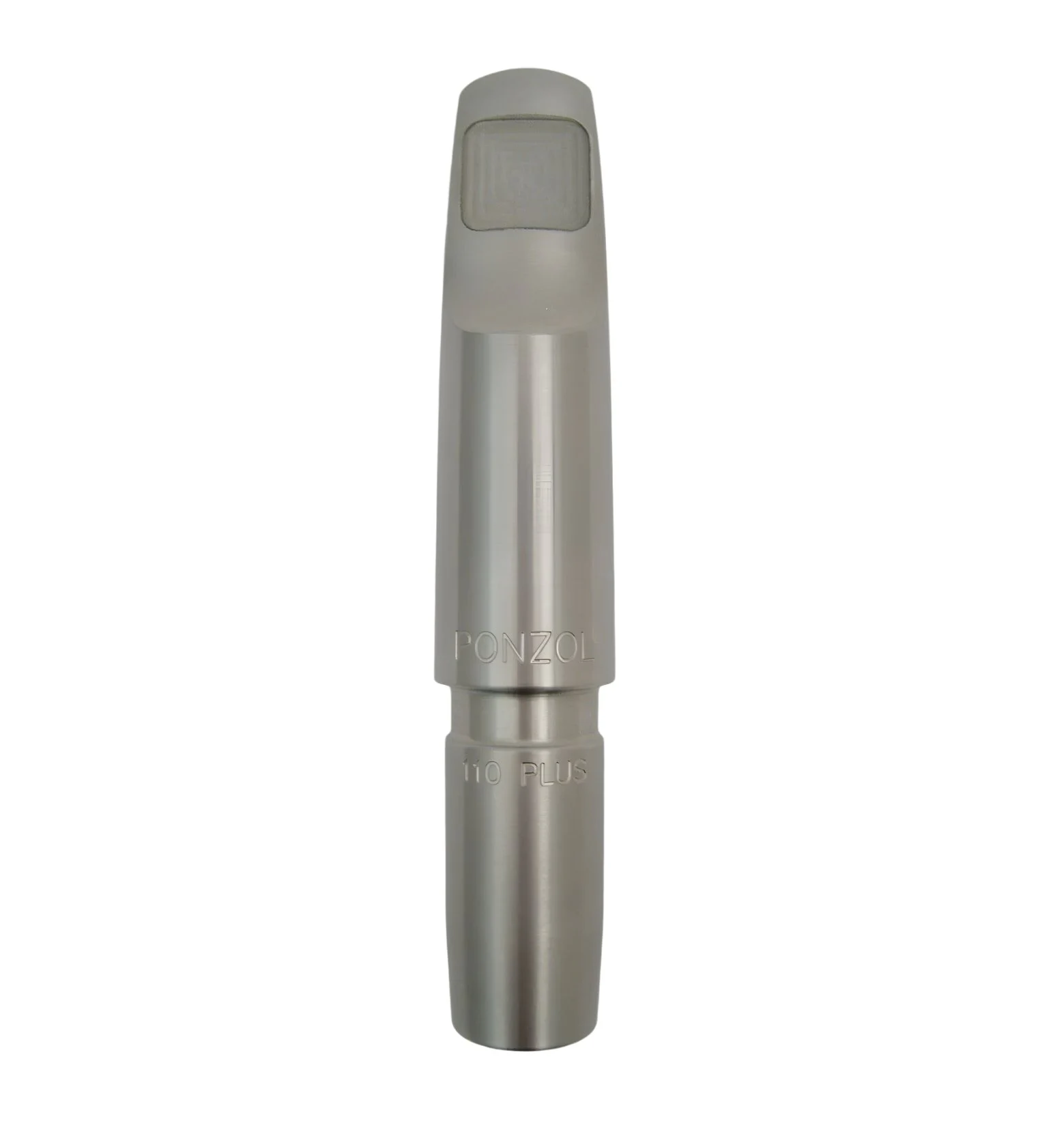
Ponzol Stainless Steel Bari Mouthpiece -
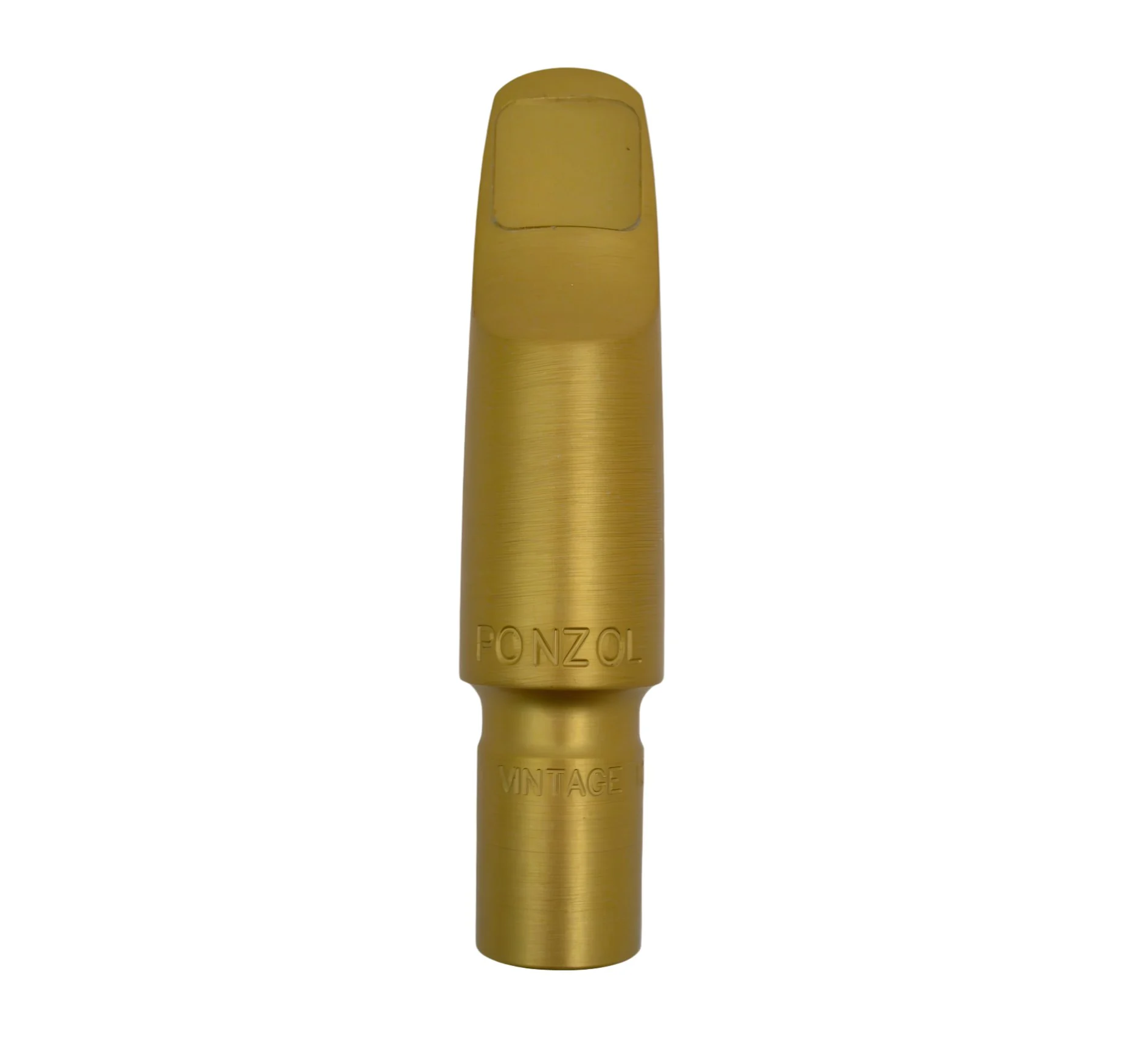
Ponzol Vintage Gold Tenor Mouthpiece -
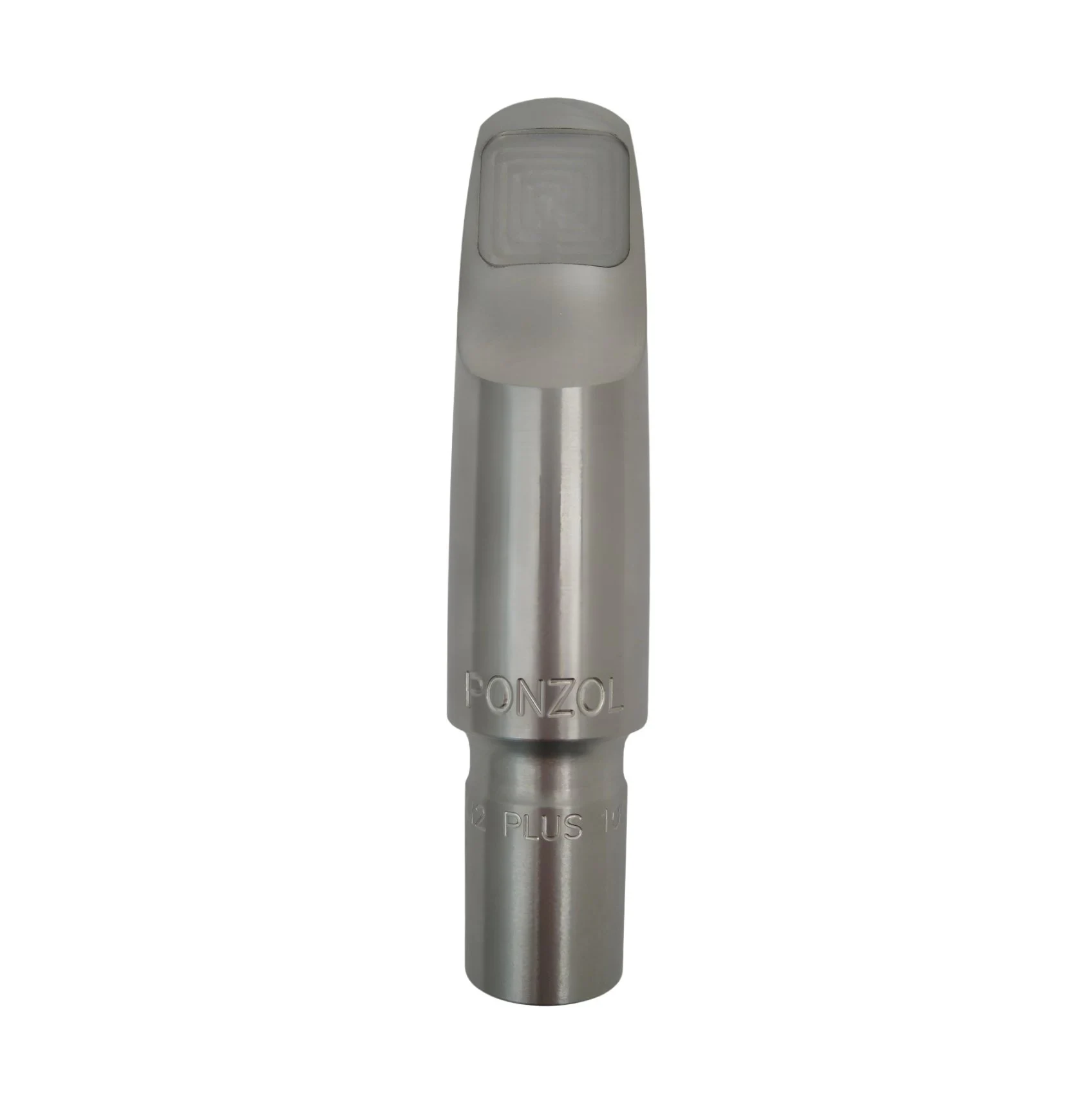
Ponzol M2 Plus Stainless Steel Tenor Mouthpiece -
Tenor DV HR Mouthpiece Jody Jazz -
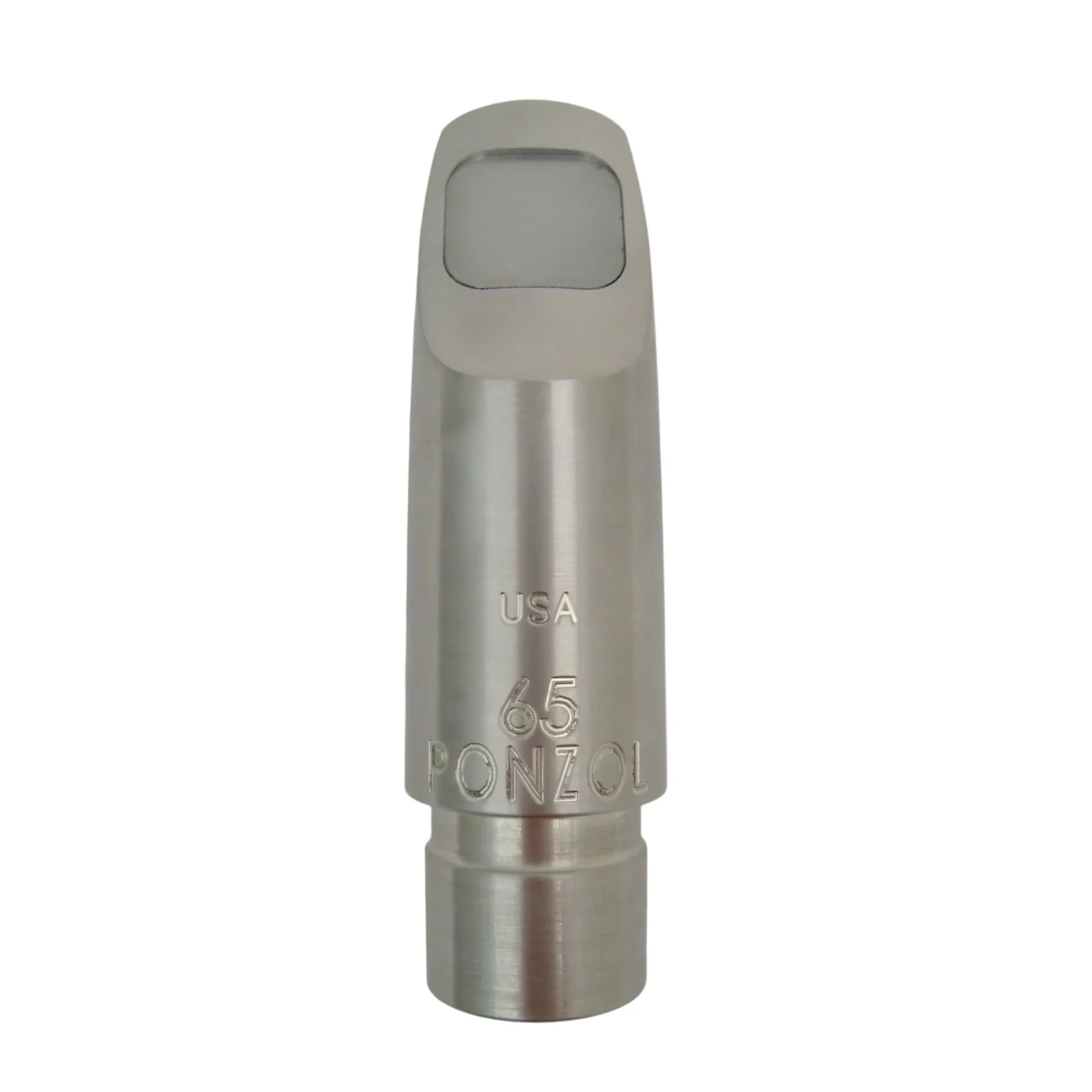
Ponzol M2 Plus Stainless Steel Soprano Mouthpiece -
Ponzol M2 Plus Stainless Steel Alto Mouthpiece -
Mantra Tenor Saxophone Mouthpiece -
Corbin Custom Rainbow Mouthpiece -
Alto DV HR Mouthpiece Jody Jazz -
Drake Contemporary Rollover Baritone -
Drake Contemporary Crossover II Baritone -
Model K Mouthpiece RCW -
Model C Mouthpiece RCW










Woodwind Mouthpieces
The mouthpiece is one of the most influential components in a woodwind player's setup. For saxophone and clarinet players especially, it shapes tone, projection, response, and how the instrument feels under different playing conditions. For flutists, the headjoint serves the same role — and getting the right one makes a measurable difference in how the instrument responds.
This collection covers mouthpieces for saxophone, clarinet, and flute headjoints across a range of styles, materials, and price points. Whether you're a student on a starter setup, an advancing player looking to upgrade, or a professional dialing in a specific sound, the right mouthpiece is worth taking seriously.
For saxophone and clarinet, facing length and tip opening are the two most important specs to understand. A wider tip opening gives more flexibility and volume potential but requires greater air support and embouchure control. A narrower opening is more forgiving and consistent — a good fit for students and players focused on classical styles. Material also matters: hard rubber produces a warmer, rounder tone, while metal tends to be brighter and more projecting.
Ligatures affect how freely the reed vibrates against the mouthpiece table. A ligature that's too tight dampens response; one that's too loose creates instability. If you're upgrading your mouthpiece, it's worth reviewing your ligature at the same time.
For flute players, headjoint cut and riser material influence tone color and how easily the instrument speaks at the extremes of its range. A well-matched headjoint can open up the upper register and improve consistency in soft dynamics.
If you're unsure what to look for, consider your playing style, the music you perform most, and what your current setup might be missing. Our team has hands-on experience with woodwind equipment and is happy to help you narrow it down before you buy.