
Tenor Sax Mouthpieces
-
Lakshmi Tenor Sax Mouthpiece Theo Wanne -
Theo Wanne DURGA V Tenor Sax Mouthpiece -
Brahma Tenor Sax Mouthpiece Theo Wanne -
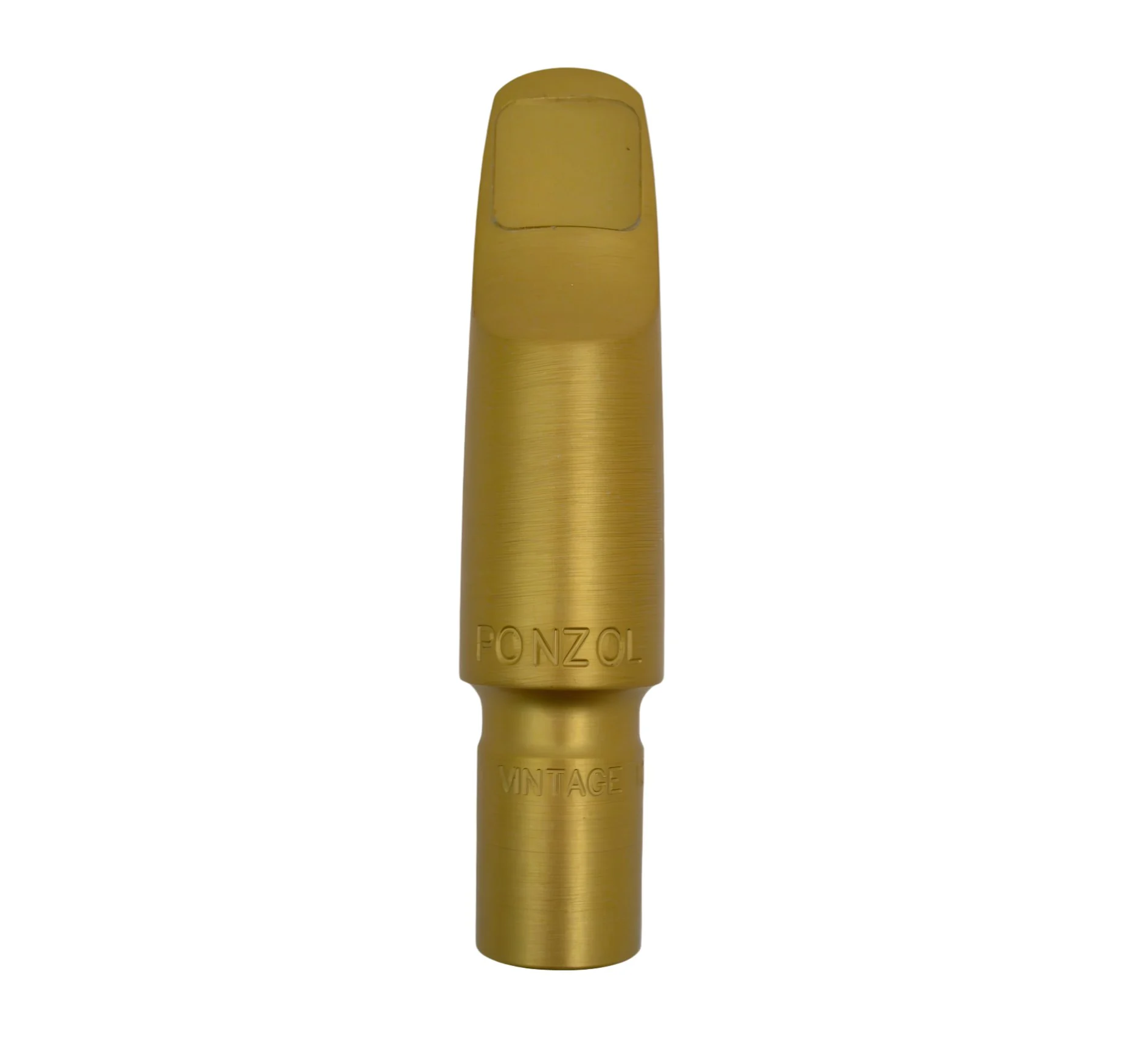
Ponzol Vintage Gold Tenor Mouthpiece -
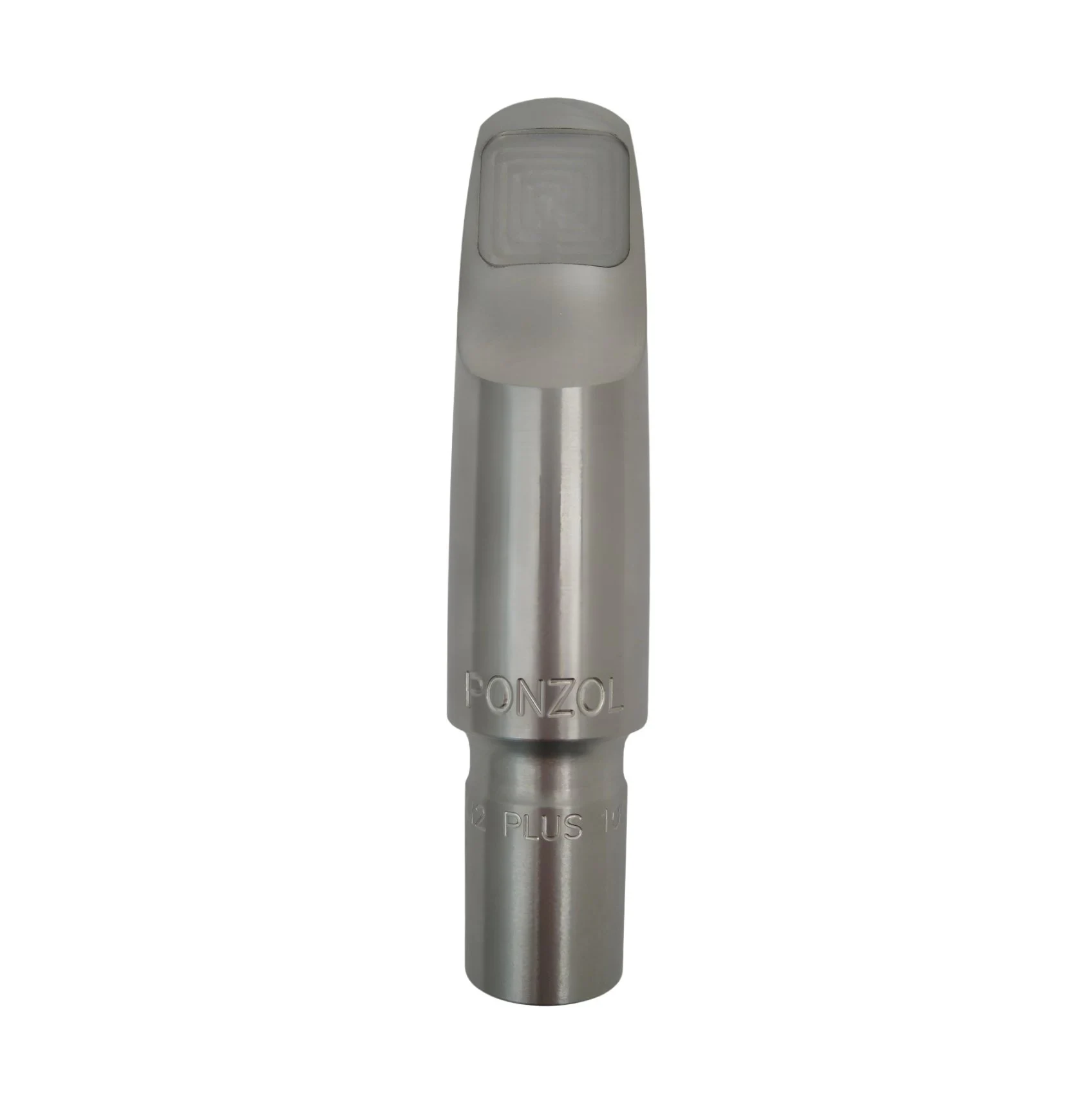
Ponzol M2 Plus Stainless Steel Tenor Mouthpiece -
Tenor DV HR Mouthpiece Jody Jazz -
Mantra Tenor Saxophone Mouthpiece -
Otto Link x Theo Wanne LA Metal Mouthpiece -
Drake Jerry Bergonzi “EB” Masters Series -
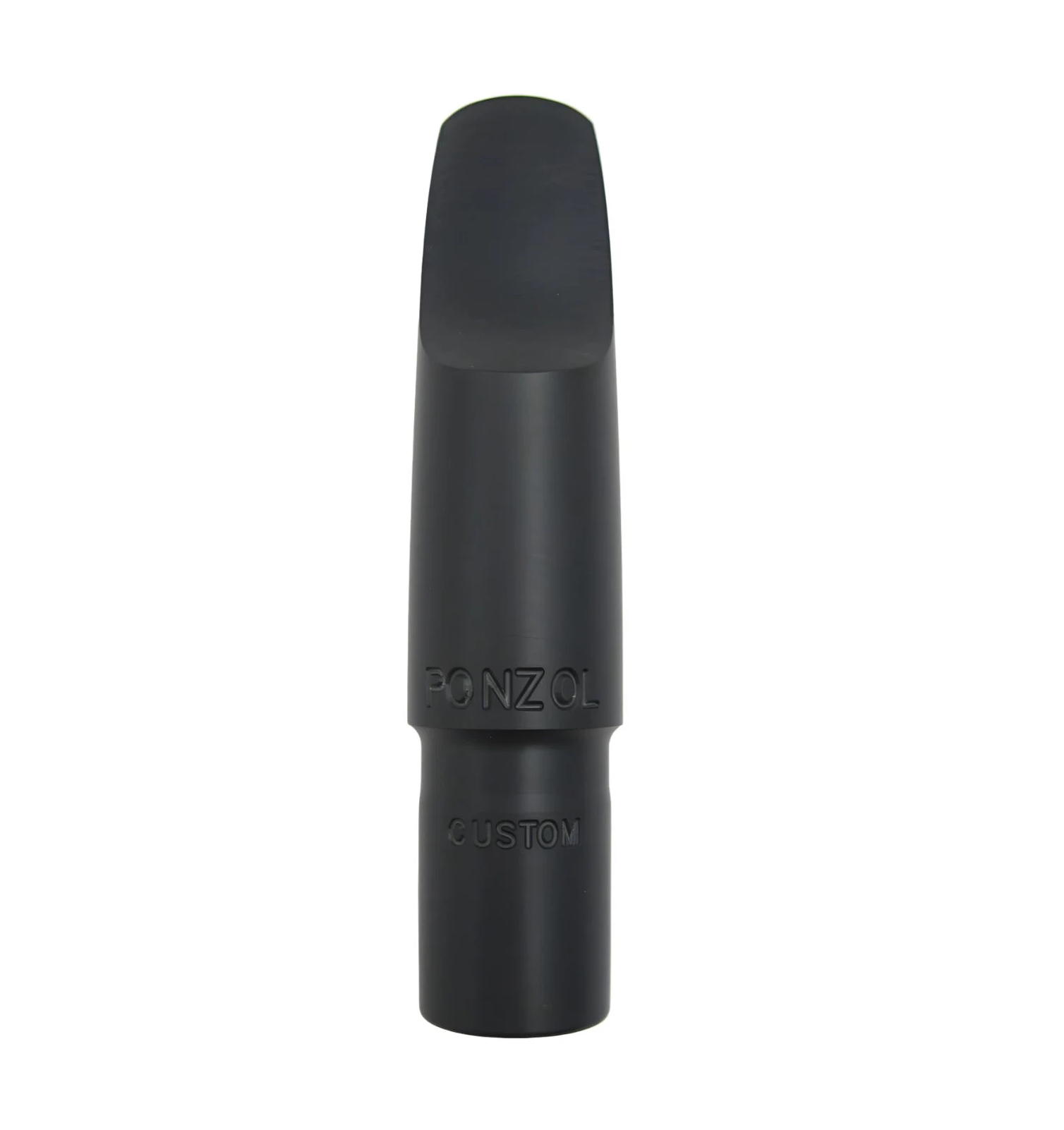
Ponzol Custom Tenor Mouthpiece -
Drake Son of Slant (Large Chamber) -
Essentials Metal Jazz Fusion Tenor Sax Mouthpiece Theo Wanne -
Essentials Metal Contemporary Tenor Sax Mouthpiece Theo Wanne -
Giant Tenor Sax Mouthpiece JodyJazz -
Slant Sig Tenor Mouthpiece Theo Wanne -
Vandoren V16 Metal Tenor Sax Mouthpiece -
Selmer Soloist Tenor Saxophone Mouthpiece -
Reserve Tenor Saxophone Mouthpiece -
Berg Larsen Tenor Sax Mouthpiece -
Tenor HR* Mouthpiece -
Select Jazz Tenor Sax Mouthpiece -
Otto Link LA (Legacy) -
Otto Link x Theo Wanne Tone Edge -
Selmer S80 Tenor Saxophone Mouthpiece (Used)








Tenor Sax Mouthpieces
The tenor saxophone mouthpiece has more influence over your sound than almost any other piece of equipment. It shapes tone, projection, response, and how the instrument feels under different playing conditions — and the range of options available reflects how differently tenor players approach the instrument across genres and settings.
This collection covers tenor saxophone mouthpieces across a range of materials, facings, and price points. Whether you're a student looking for a reliable first upgrade, an advancing player exploring tone options, or a professional dialing in a specific sound, the right mouthpiece is worth taking seriously.
Material is one of the first decisions to consider. Hard rubber produces a warmer, rounder tone with a smooth response — well suited to classical, ballad, and general commercial playing. Metal mouthpieces tend to be brighter and more projecting, with a sharper edge that cuts through in loud ensemble settings. Some players use both depending on the context.
Tip opening and facing length determine how the mouthpiece responds to your air and embouchure. A wider tip opening gives more flexibility and volume potential but requires greater control. A narrower opening is more consistent and forgiving — a better starting point for players still developing their embouchure. Most players find their preference through experimentation, so understanding the specs helps narrow down where to start.
Baffle and chamber geometry also affect tone significantly. A high baffle produces a brighter, more projecting sound; a lower baffle and larger chamber darken the tone and add body. These differences are noticeable even between mouthpieces with the same tip opening.
Pair your mouthpiece with a ligature suited to the material and your reed choice. A ligature that holds the reed too tightly dampens response; one that's too loose creates instability.
If you're unsure where to start, our team is happy to help narrow it down based on your playing style and current setup.